A toddler's tantrum and a teenager's moods can come from the same place: a developmental need nobody noticed. The Santa Barbara Independent spoke with Leah, our Primary Lead Guide, about the four stages of development Maria Montessori described, and how they shape the way we teach.
Four stages, each with different needs
By watching children closely, Maria Montessori defined four planes of development. They are infancy from birth to six, childhood from six to twelve, adolescence from twelve to eighteen, and maturity from eighteen to twenty-four and beyond. Each stage is completely different, mentally and physically. The support a child needs as an infant is not the support they need in childhood, and it changes again in adolescence. When those needs are overlooked, the article notes, we also miss the chance to make the most of each stage.
Sensitive periods, in class and at home
Within each stage are sensitive periods, when a child is especially drawn to one kind of learning and less to others. Our guides watch each child's interests and offer materials that match. The child takes real delight in the work and learns a great deal from it. Parents can do the same at home, and meeting a child's developmental needs also brings better behavior across the board.
Older and younger children learn side by side
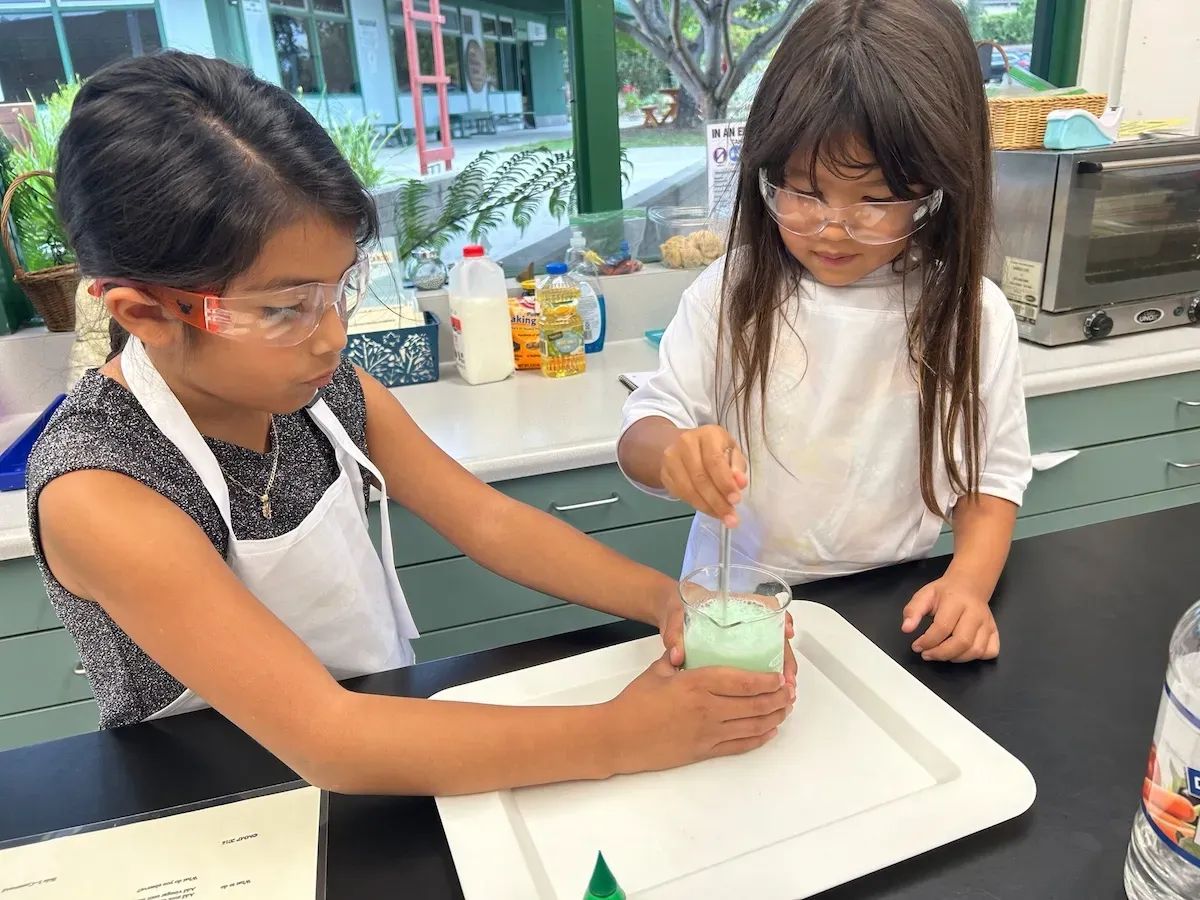
We serve children from three months to 12 years old, and we meet each one where they are, physically, emotionally, socially, and intellectually. Children choose how they learn. In our multi-age rooms, younger children find their own pace with support from older ones, and older children deepen their understanding by helping. The article also credits parents for the loving, supportive home they build around each child.
Leah described what she sees in her Primary classroom. “There are moments during the morning when the children are engaged with the materials and with each other in such harmony and with so much joy,” she said.
Read the full story in the Santa Barbara Independent, opens in a new tab

Posted by
South Coast Montessori